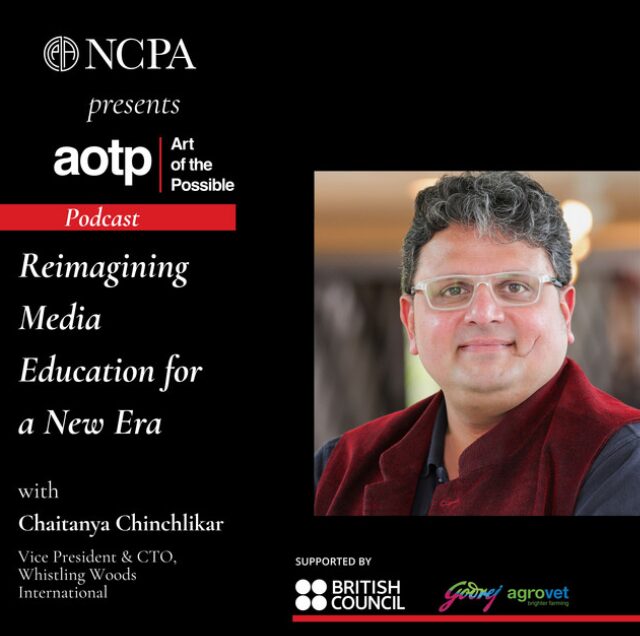
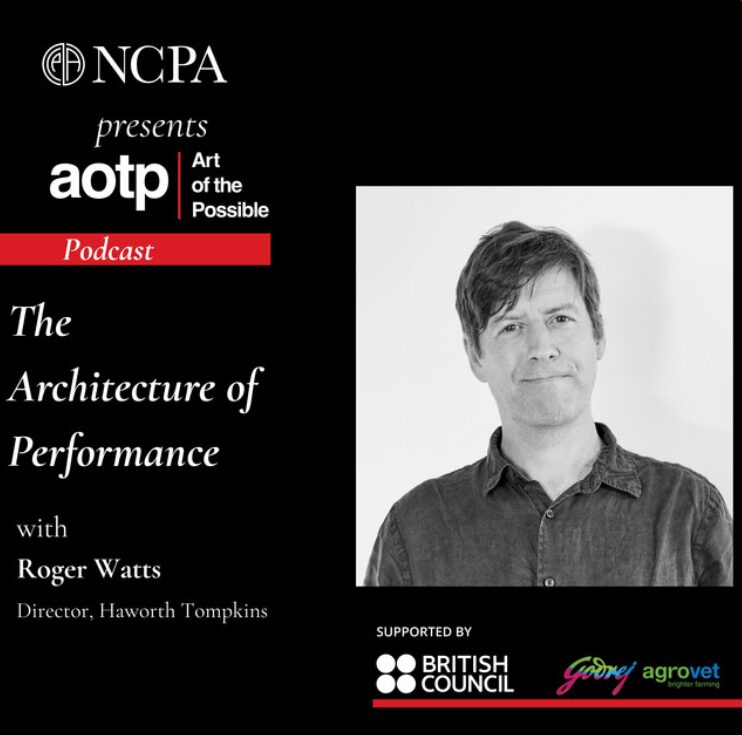
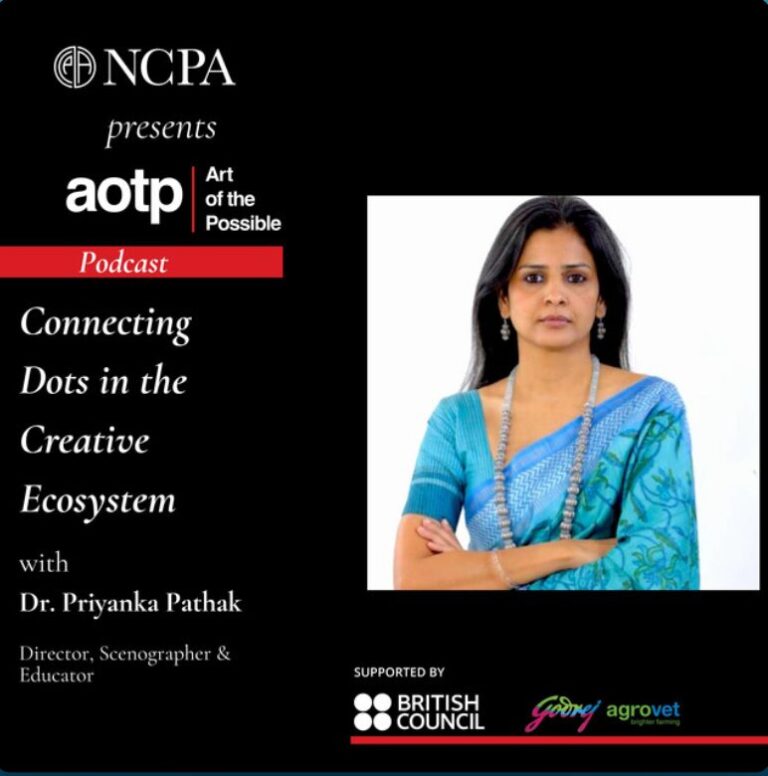
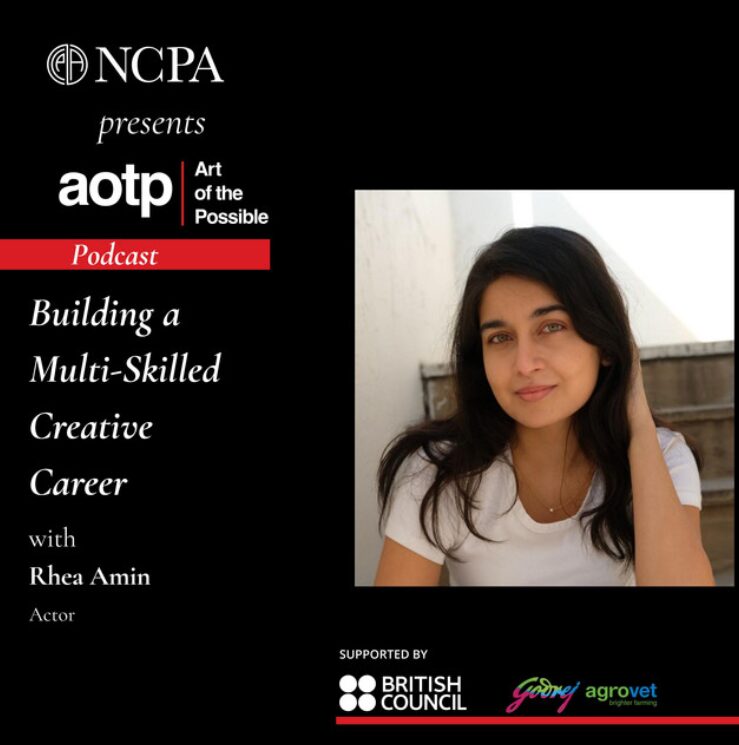
“As educators, we act more like facilitators. Students should connect with real-world projects, situations, and simulations as often as possible.”
These are the words of Nishit Mehta, an educator who moves fluidly between history, design, theatre, and writing. At Atlas SkillTech University, he teaches history to first-year design students while also running a theatre elective that cuts across design, management, and technology schools. For him, theatre is not just about performance, it’s a way of training the mind to think critically.
In this episode of the AOTP Podcast, Nishit reflects on why the classroom and the industry will always remain slightly apart, and why that gap can actually be productive if bridged with the right kind of experiences.

Bridging Academia and Industry
Nishit is clear that the worlds of academia and professional practice will never completely align, and that’s okay.
“The roles that exist today will change. Some will become redundant because of technology, others because too many people are competing for them. Our job as teachers isn’t to prepare students for specific roles, but to give them the mindset to adapt to whatever comes.”
That’s where he sees AOTP stepping in. Short, intensive formats like masterclasses and workshops can expose students to industry realities in ways weekly classes cannot. They become bridges between the comfort of the classroom and the unpredictability of the professional world.
Learning Without Immediate Rewards
A recurring challenge Nishit faces is the question every history teacher gets: “How will this help me in my career?”
His answer is blunt. “I don’t know. I can’t tell you how the pyramids will help in your career. But I know the way you learn history trains your mind to think, research, and question. That skill may one day help you analyze a client, spot a demographic, or solve a problem in ways you can’t yet imagine.”
For him, not every reward is instant. Some skills reveal their value much later, and students need to be comfortable with that uncertainty. AOTP, he believes, can amplify this by pointing students toward opportunities they might never have considered on their own.
Why Theory Still Matters
In a culture that often prizes “practical learning” above all else, Nishit makes the case for theory.
“Why should an actor learn lighting design or sound? Why should they study Natya Shastra or Rasa theory? Because you never know when it will help. Maybe one day it will help them adapt a performance, or teach a younger cohort, or discover new connections between theory and practice.”
The unexpected links between disciplines, he argues, are often where the most meaningful growth happens.

Starting Early, Finding Your Way
Would earlier exposure to creative training in schools make a difference? “Earlier is always better,” Nishit admits, but adds that not everyone is clear on their path until much later.
He recalls missing attendance and marks to do theatre, and giving his all because the sacrifice made it meaningful. For some students, the absence of external rewards like grades or certificates can be liberating. “Sometimes doing the thing for its own sake is the best kind of training,” he says.
When Students Surprise You
The most rewarding moments, Nishit says, come when students show unfiltered enthusiasm.
He remembers a student who was constantly away at dance competitions, worrying her parents. Instead of scolding her, Nishit scolded them: “Let her dance. Ten years from now, she can still learn history. But this is the time she’ll find herself.”
For him, the role of a teacher is not to be the favorite or to enforce rigid rules, but to create an atmosphere where learning itself is never hated. “Even if they dislike your subject, they shouldn’t dislike learning. That’s the job.”
Looking Ahead
Nishit’s philosophy resonates with the spirit of AOTP: learning as exploration, not a straight line to a job description.
By creating platforms where students encounter professionals, ideas, and opportunities beyond the classroom, AOTP strengthens the culture of curiosity. And as Nishit emphasizes, that culture is what equips the next generation to navigate both the certainty of theory and the unpredictability of practice.
If you enjoyed this conversation, you can also listen to the full podcast episode with Nishit Mehta here. Subscribe, rate, and share the AOTP Podcast, and to know more, visit aotp.in/.
Art of the Possible is supported by the British Council and Godrej Agrovet.