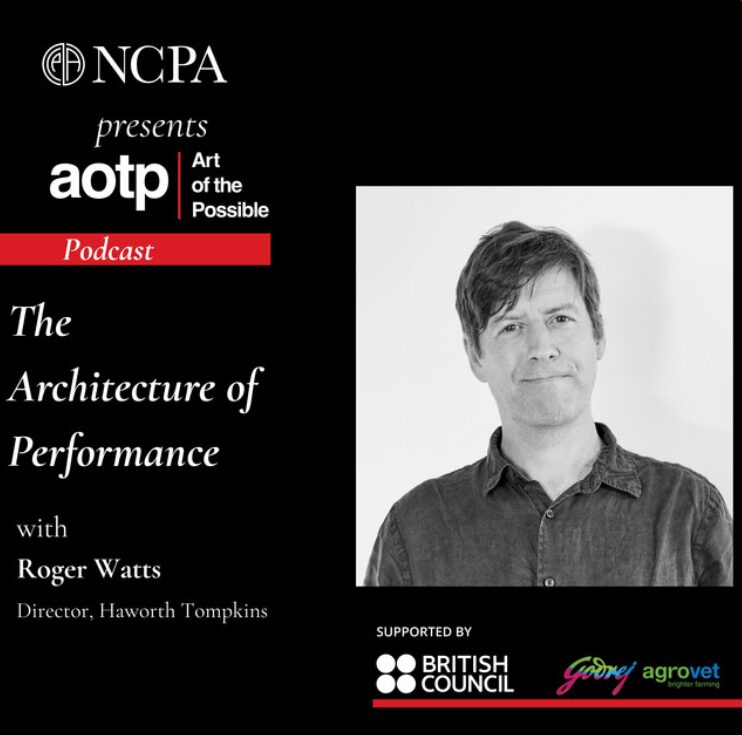
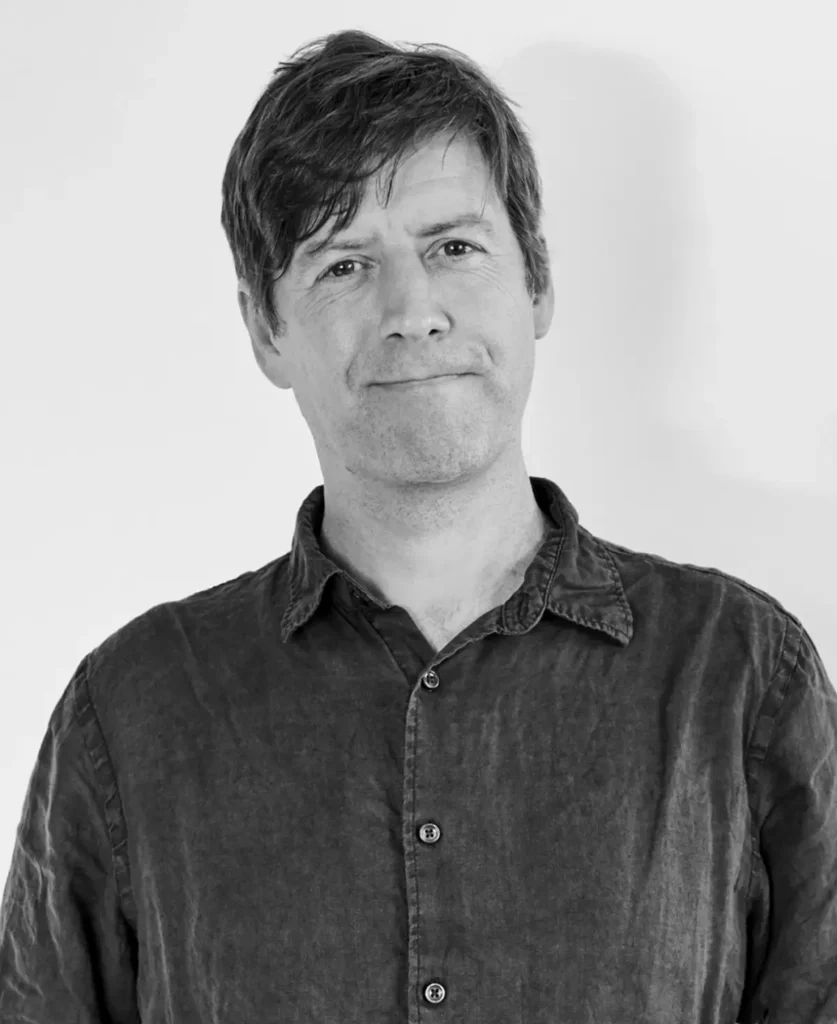
In the latest episode of the AOTP Podcast, Roger Watts, Director at Haworth Tompkins, shares how architecture influences the way performances are created, experienced and remembered. With over three decades of designing performing arts venues across the UK, Europe and beyond, Roger believes that great theatre architecture is not about creating iconic buildings. It is about creating spaces that empower artists.
Designing for Creativity, Not Control
Roger’s work spans everything from small theatre refurbishments to entirely new cultural buildings. While every project is different, one principle remains the same. “The architecture is really there to pull back as much as possible to give as much options and imagination for the creative people coming in to use those spaces.”
For Roger, a theatre should never compete with the performance. Instead, it should provide an adaptable environment where artists can experiment freely and shape the space around their work. Whether a venue seats twenty people or a thousand, its purpose remains unchanged: to be a welcoming host for creativity.
Why Flexible Spaces Matter
Reflecting on the AOTP Symposium, Roger was struck by how broad the performing arts ecosystem has become. From theatre and live music to stadium concerts, cruise ships and immersive experiences, careers today extend far beyond traditional stages. “It gave all the young people that were here today encouragement to not have to worry about focusing down onto something and be much more thinking about, actually, I could do anything.”
He believes that an education rooted in theatre develops skills that can be applied across a wide range of creative industries. Rather than limiting career choices, it expands them.
A Theatre Should Invite Experimentation
One of the projects Roger reflects on is London’s Young Vic Theatre, a venue he describes as intentionally understated. Instead of ornate interiors and elaborate decoration, the building embraces raw materials and simple architecture that place creativity at the centre. “It’s like it’s a good host that’s saying, come in, don’t worry about hitting that or breaking that. It’s fine, it’s robust.” That freedom encourages artists to rethink every production. Lighting, sound, staging and audience relationships can all be reimagined because the building itself does not dictate how performances should happen. “Here’s an empty room, go mad. Create a whole world around your story.” For Roger, architecture succeeds when it creates possibilities rather than limitations.
Every Detail Shapes the Experience
The conversation moves beyond stages and auditoriums to explore how audiences experience an entire building. Roger explains that materials, acoustics and lighting all influence how people feel, often without them realising it. A brightly lit foyer after an intimate performance or a noisy lobby with poor acoustics can interrupt the emotional journey created inside the auditorium. “It’s funny enough, it is light and sound, as well as materials which affect how you feel.” Good theatre design, he argues, extends beyond the performance space. Every transition should support the audience’s experience rather than pull them out of it.
Listening Before Designing
When discussing AOTP’s role in building better industry practices, Roger repeatedly returns to one idea: listening. “The important thing is that they’re also listening, as well as giving their experience.” Theatre is inherently collaborative. Architects, technicians, producers, artists and venue managers all bring different perspectives to a project. Successful spaces emerge when those perspectives are heard and brought together. “Particularly with architecture, a building is just part of a narrative.” For Roger, architecture is not about imposing ideas. It is about understanding the people who will use a space and translating their needs into an environment that supports their work.
The Spaces Audiences Never See
One of the most memorable parts of the conversation focuses on spaces hidden from the audience. Green rooms, dressing rooms and backstage areas are often overlooked during construction, despite being where performers spend much of their time. “A happy actor is a happy performance.” Roger believes these spaces deserve the same care and attention as foyers and auditoriums. Comfortable lighting, thoughtful materials and opportunities for performers to make the space their own all contribute to a healthier creative environment. “You should think of the whole building equally.” When every part of a venue is designed with care, the result benefits everyone involved. “Then everybody is working in a happy building. Then the shows are happy shows. And then you have happy audience”, says Roger.
Designing for the Future of Performance
Throughout the conversation, Roger makes one thing clear: architecture is not simply about constructing buildings. It is about shaping experiences. The best performing arts venues are flexible, welcoming and collaborative. They allow artists to experiment, technicians to work effectively and audiences to become fully immersed in the performance. As the performing arts industry continues to evolve, thoughtful design will remain one of the invisible forces that shapes every great production.
If you enjoyed this conversation, you can listen to the full podcast episode with Mark Dakin on the AOTP Podcast. Subscribe, rate, and share the episode, and to learn more, visit aotp.in/.
Art of the Possible is supported by the British Council and Godrej Agrovet.